
Key Highlights
- The Defense Technology Security Administration (DTSA) is a key agency within the U.S. Department of Defense.
- Its primary role is to manage and implement DoD policies on the international transfer of defense-related goods, services, and technologies.
- DTSA plays a crucial part in the export control process, reviewing license applications to protect U.S. national security.
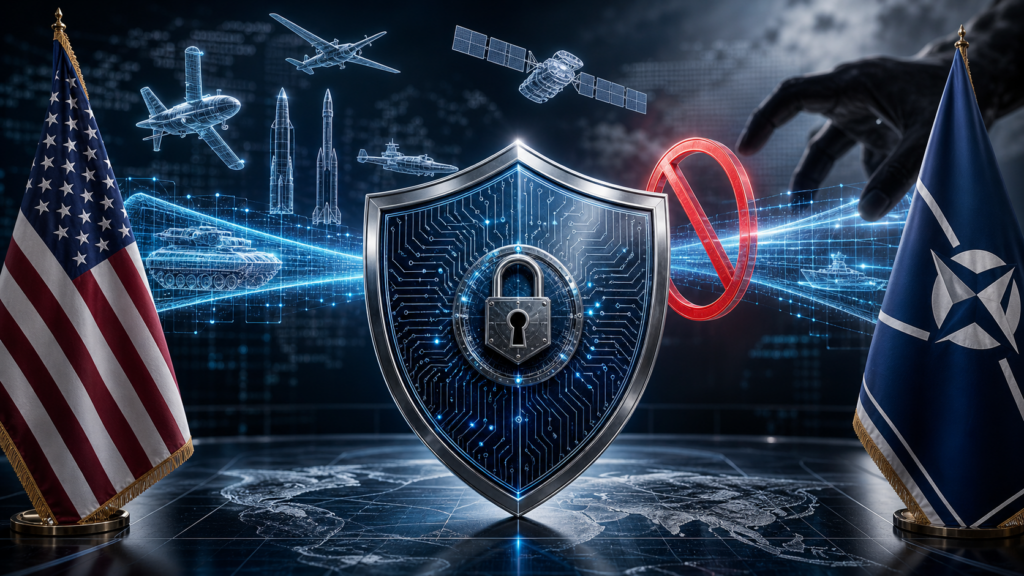
- The agency works to prevent critical defense technology from falling into the wrong hands while supporting transfers to trusted international partners.
- By balancing security and cooperation, DTSA helps maintain the U.S. military’s technological advantage.
- It ensures that all technology transfers align with national security objectives and export control laws.
Introduction
The Defense Technology Security Administration, commonly known as DTSA, is one of the most important but least understood organizations involved in U.S. defense technology, export control, and national security review. Understanding this agency is critical because advanced military technology, software, data, and defense services can create national security risks if transferred or sold internationally without proper oversight. This article provides a complete explanation of the DTSA, what it does, where it fits inside the Department of Defense, and why it matters for contractors, exporters, and compliance teams.
Overview of the Defense Technology Security Administration
The Defense Technology Security Administration (DTSA) is the U.S. Department of Defense’s hub for developing and implementing technology security policies. Its focus is on the international transfer of defense-related goods, services, and technologies. This involves a careful review process to protect the nation’s military edge.
As a critical part of the DoD, the technology security administration ensures that the Secretary of Defense’s policies are followed. The agency’s work is vital for the implementation of DoD technology security policies, safeguarding sensitive information and capabilities from unauthorized access.
Defining DTSA and Its Role in U.S. Defense Technology Security
At its core, the Defense Technology Security Administration (DTSA) acts as a guardian of American military innovation. It is the part of the Department of Defense responsible for reviewing and creating policies that govern how U.S. defense technology is shared with other countries. The agency’s ultimate goal is to maintain the technological superiority of the U.S. warfighter.
DTSA’s role in defense technology security is multifaceted. The agency identifies potential national security risks tied to the transfer of controlled information and advanced technology. By doing so, it helps prevent adversaries from acquiring capabilities that could challenge the United States military.
This mission supports broader U.S. national security objectives. DTSA ensures that any international sharing of defense technology not only strengthens allies but also protects America’s own security interests. This delicate balancing act is central to the work of the technology security administration.
DTSA Meaning, History, and Establishment
The DTSA was established in the mid-1980s as a field activity operating under the Office of the Under Secretary of Defense for Policy. Its creation was a direct response to the Cold War-era threat posed by the Soviet Union. The primary mission at the time was to block technology transfers that could enhance the Soviet military’s capabilities.
DoD officials were particularly concerned about dual-use technologies—those with both civilian and military applications. The transfer of such items was seen as a major challenge to U.S. national security. After the fall of the Soviet Union, DTSA’s role evolved significantly. While still focused on protecting critical technologies, its mission expanded to include reviewing technology transfers to friends and allies, ensuring a balance between cooperation and security.
| Milestone | Description |
|---|---|
| Mid-1980s | DTSA is established as a field activity within the DoD to counter Soviet technology acquisition. |
| Post-Cold War | With the fall of the Soviet Union, DTSA’s role shifts. It begins reviewing technology transfers to allies and partners. |
| Present Day | DTSA is the premier DoD agency for technology security, reviewing exports and protecting the U.S. military’s technological edge. |
DTSA’s Mission and Organizational Structure
The fundamental mission of the DTSA is to identify and mitigate national security risks linked to the international transfer of controlled information and advanced military technology. This effort is crucial for maintaining the U.S. warfighter’s technological advantage and supporting the nation’s broader national security objectives.
Organizationally, DTSA operates within the Department of Defense, specifically under the Under Secretary of Defense for Policy. This structure allows it to effectively coordinate its policy development and review activities across the defense enterprise. The following sections will explore its main purpose and its collaborative efforts with other government agencies.
Main Purpose Within the Department of Defense
Within the vast structure of the Department of Defense, DTSA serves a highly specialized and vital purpose. Its main function is to act as the DoD’s authority on technology security, developing and overseeing policies that govern the international transfer of defense items and information. This ensures that every transfer aligns with U.S. national security interests.
The agency is responsible for the implementation of DoD technology security policies. This means it translates high-level national security policy into actionable guidelines and review processes for defense exports. DTSA’s work directly supports the strategic goal of protecting the U.S. military’s technological superiority over potential adversaries.
Ultimately, DTSA helps the DoD balance two competing priorities: strengthening allies through technology sharing and preventing that same technology from being used against the United States. This careful management of defense technology is essential for achieving long-term national security objectives and maintaining global stability.
Leadership and Collaboration With Other Agencies
The DTSA is led by a director who reports to the Under Secretary of Defense for Policy (OUSDP). This leadership structure places the agency at the heart of DoD policy-making, ensuring its recommendations on technology security are integrated into the department’s strategic planning. The director oversees a team of experts who provide technical and policy assessments on international technology transfers.
A significant part of DTSA’s effectiveness comes from its extensive collaboration with other U.S. government agencies. This interagency coordination is essential for a comprehensive approach to export control and national security. DTSA works closely with key stakeholders to ensure a unified government position on technology security matters.
Key collaborators include:
- The Department of State: Which has overall authority for arms exports under the International Traffic in Arms Regulations (ITAR).
- The Department of Commerce: Which controls the export of dual-use items through the Export Administration Regulations (EAR).
- Other government agencies: Including those in the intelligence community, to assess the risks associated with specific technology transfers.
Conclusion
In conclusion, understanding the Defense Technology Security Administration (DTSA) is essential for anyone involved in defense contracting or export compliance. DTSA plays a critical role in ensuring that advanced military technology is managed responsibly, safeguarding national security from potential risks associated with international transactions. By comprehensively grasping DTSA’s mission and functions, contractors and exporters can navigate the complexities of technology security and export control more effectively. With this knowledge, you empower yourself and your organization to maintain compliance, mitigate risks, and contribute positively to the defense ecosystem. For personalized guidance on DTSA compliance, don’t hesitate to get in touch with our specialists for a free consultation.
Frequently Asked Questions
How does DTSA contribute to technology security and export control?
DTSA contributes to technology security by developing and overseeing the implementation of DoD technology security policies. As a key reviewing agency for export control laws, it assesses license applications for defense and dual-use items to prevent technologies from falling into the wrong hands and to protect national security.
What is DTSA’s involvement in ITAR, EAR, USML, and foreign military sales?
DTSA is a critical reviewing agency for export license applications governed by ITAR and EAR. It provides the Department of Defense’s official position on the transfer of items on the United States Munitions List (USML) and certain dual-use goods, including those related to foreign military sales.
How can defense contractors and exporters prepare for DTSA-related compliance issues?
Defense contractors can prepare for DTSA compliance by thoroughly understanding export control regulations (ITAR/EAR), accurately classifying their technology, and submitting comprehensive and transparent export license applications. Proactively addressing potential technology security concerns can help streamline the review process and avoid delays or denials.